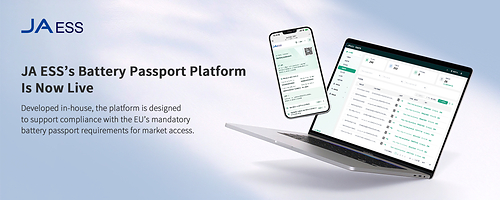
Ford Otosan is the Turkish commercial vehicle maker behind Ford Trucks and a joint venture of Ford Motor and Koç Holding. It is working with UK-based supply chain transparency firm Circulor to get its electric truck batteries ready for the EU battery passport. Circulor's platform will record where battery materials come from, how they are processed and how they move through the supply chain.
The work starts by mapping the battery supply chain from supplier information. This covers the companies and production sites involved and the origin and processing of materials. Higher-risk materials and supply chains may need extra evidence and independent audits. Checks will be scaled to the risks of each material, site and supplier relationship. Ford Otosan will use the platform to request, collect and manage documents, which will then be used to create and maintain the passports.
Regulation (EU) 2023/1542 requires a digital passport from 18 February 2027 for electric vehicle traction batteries and some other battery categories. The passport is linked to the battery by a QR code. It covers technical characteristics, performance, durability, sustainability and recycling, and access rights depend on the type of data.
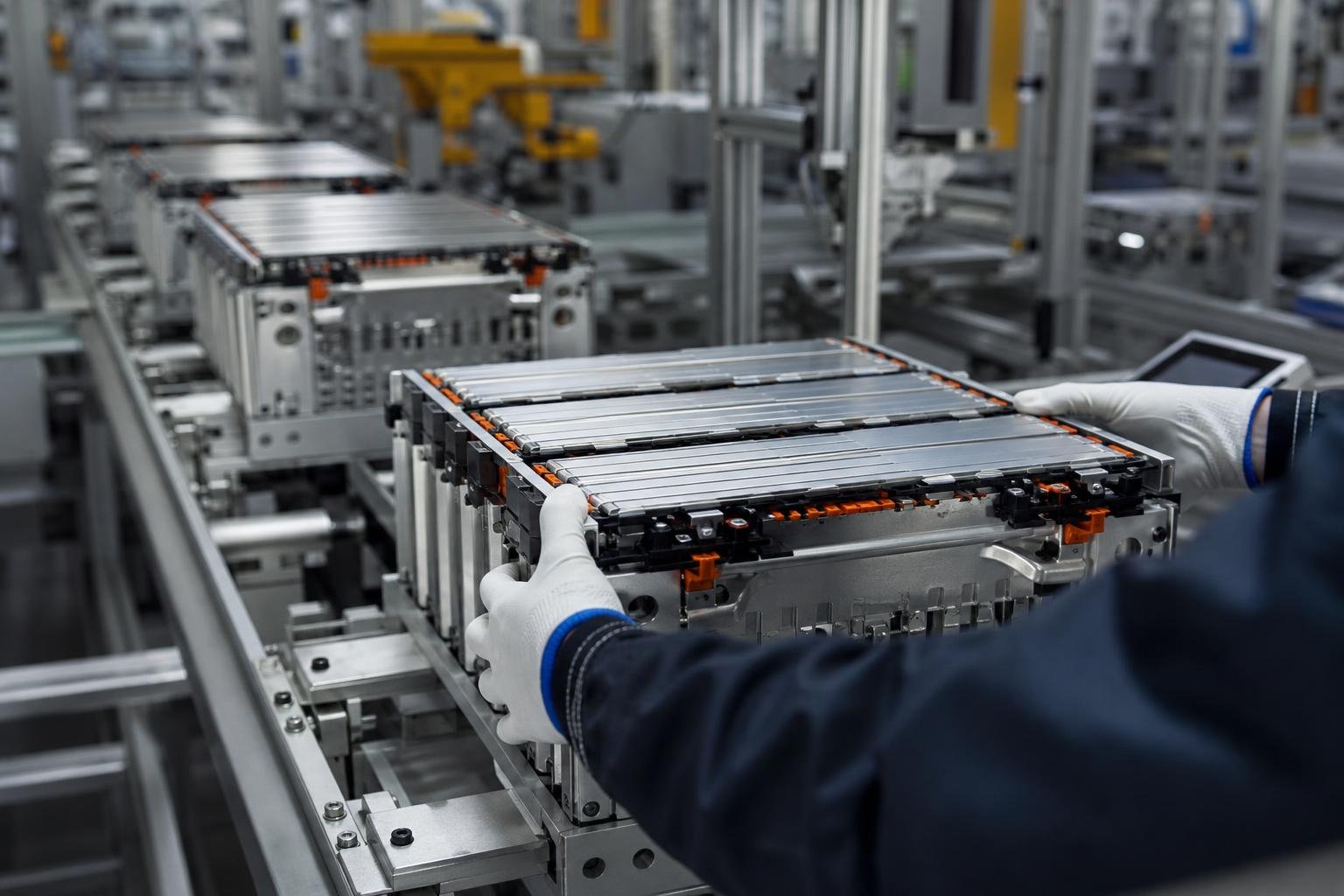
The arrangement applies to vehicles such as the F-Line E, which was shown at Solutrans in Lyon in November 2025 and is expected in Germany in 2026. It comes as a 19-tonne model with a 294 kWh battery and up to 250 km of range, and as a 26-tonne model with 392 kWh gross and up to 300 km. Both use NMC batteries. Circulor previously built a battery passport with Volvo for the EX90, launched in 2024. The company says its platform supports material traceability for more than 1.4 million vehicles.
Why it matters for DPP projects
With the battery passport due from 18 February 2027, commercial vehicle makers have to combine supplier data from several supply chain stages and keep it up to date for the whole life of the battery. Teams preparing passports may want to ask providers how they collect supplier evidence, handle risk-based checks and audits, and control access to different types of passport data.
ORIGINAL SOURCE
electrive.com
Reported 20 November 2026
This summary was written automatically from the source and checked against it before publishing. It is not legal advice; confirm details in the original before acting on them. Report an error