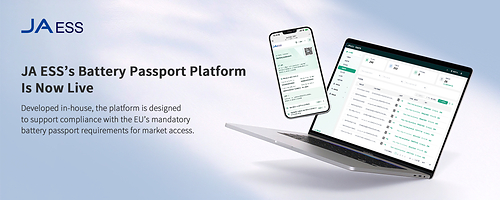
Under the EU Battery Regulation 2023/1542, which entered into force on 18 February 2024, most batteries placed on the EU market from 18 February 2027 must carry a QR code. The scope includes AA and AAA cells, button cells and rechargeable packs built into electrical appliances. The code should appear on the battery itself. Packaging or accompanying documents may be used where the format is too small. Batteries placed on the market before that date do not need to be retrofitted.
Scanning the code is meant to give access to disposal guidance, the EU declaration of conformity and category-specific data. Austria's chamber of commerce lists capacity, performance, durability, chemistry and a separate-collection notice among these details.
The digital battery passport also starts on 18 February 2027. It covers batteries for light means of transport such as e-bikes and e-scooters, electric vehicle traction batteries, and industrial batteries above 2 kWh. Batteries without a registered passport may then no longer be distributed in the single market. The Commission foresees up to 71 data points per battery. The Battery Pass Consortium estimates that around 55% of implementation effort goes into data management.
The supporting rules are late. The Commission's implementing act was due by 18 August 2025, and a draft has existed since December 2025, but the act was still outstanding on 24 November 2026. Extra printed markings follow 18 months after its adoption, so they cannot apply before 2028. The draft access rules were tabled on 19 October 2026 and their consultation closed on 16 November 2026. The Council is keeping the 2027 date. Due-diligence data is planned to become binding from August 2027 and recycled-content figures from August 2028.
Why it matters for DPP projects
Companies bringing affected batteries into the EU face a fixed February 2027 cutoff while the access and implementing rules remain unsettled. That leaves little time to adjust technical set-ups. Teams should ask providers how their systems handle role-based access, such as dismantling data for recyclers and usage history for owners, and how quickly they can adapt once the final acts are adopted.
ORIGINAL SOURCE
ad-hoc-news.de
Reported 25 November 2026
This summary was written automatically from the source and checked against it before publishing. It is not legal advice; confirm details in the original before acting on them. Report an error